
The Wait Period
Film development requires precise timing. The development timer tracks the duration of chemical processing, ensuring consistent results across all exposures.
This waiting period is not delay—it's a data-curing process where silver halide crystals are selectively reduced to metallic silver based on the amount of light they received during exposure.
High-Tech Biological Process


Developer Solution
The developer contains reducing agents that convert exposed silver halide crystals into metallic silver. The concentration, temperature, and duration of development determine the final image density and contrast.
Stop Bath
An acidic solution halts the development process immediately, preventing over-development and ensuring precise control over the final image characteristics.
Fixer Solution
The fixer removes unexposed silver halide crystals, making the image permanent and light-stable. This step ensures the negative can be handled and stored without further chemical changes.
Data-Curing Period
The standard three-day development cycle allows for proper chemical processing, quality control, and careful handling of the physical materials.
Day one involves exposure and initial processing. The film is loaded, exposed according to calculated parameters, and then developed using standardized chemistry.
Day two focuses on quality assessment and scanning preparation. The developed negatives are inspected for technical quality, then prepared for digitization if required.
Day three includes final processing, scanning or printing, and delivery preparation. This systematic approach ensures consistent results and proper handling of all materials.
The shutter speed slider demonstrates how different exposure times affect the perception of motion in photography. Faster speeds freeze action, while slower speeds allow motion blur.
This control also affects the animation speed of interactive elements on the page, illustrating the relationship between exposure time and visual perception.
Process Documentation

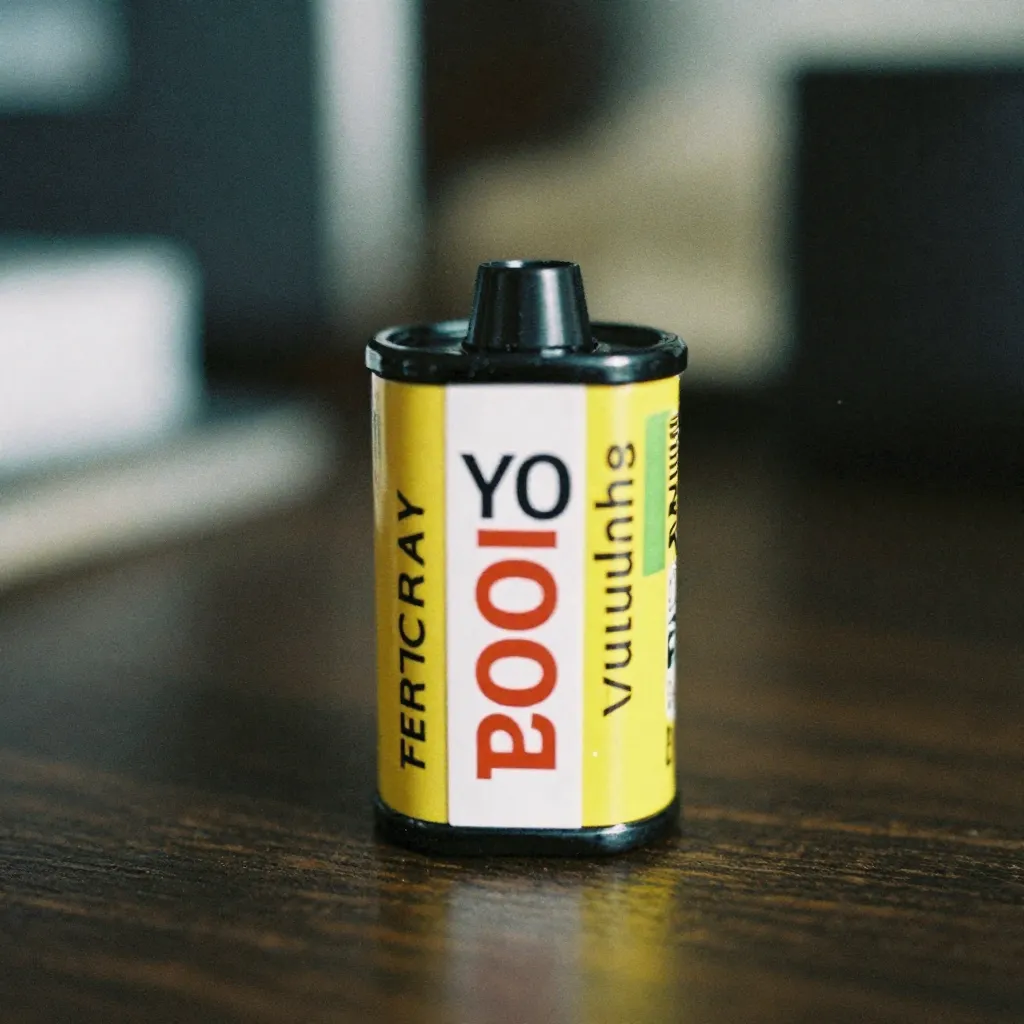
Every development session is documented with specific parameters: film stock, ISO setting, developer type and dilution, temperature, development time, and agitation method.
This documentation enables reproduction of specific aesthetic qualities and troubleshooting of any technical issues. It also provides a reference for future projects requiring similar characteristics.